I have been meaning to read The English Understand Wool by Helen Dewitt for a little while, and since it’s such a short read, I squeezed it in between some book club requirements. Ever heard of it? Seen it? It’s a little niche-y, perhaps, but also quite lauded.
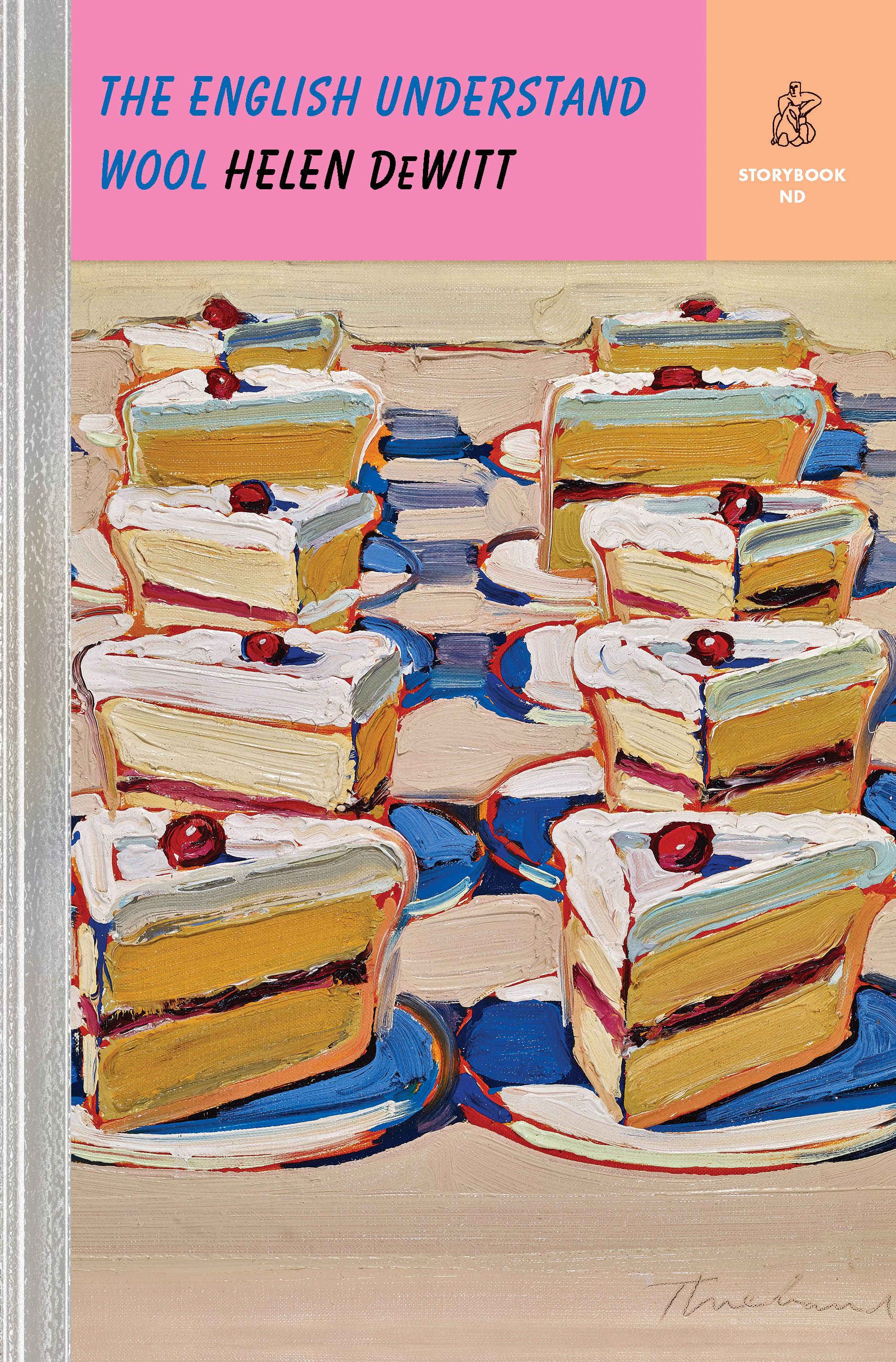
First things first. The cover is a disaster. It also made it memorable to me, being the disaster that it is. The publishers were clearly going for something, something out-there, new, weird. But not only is the metallic cover with a loud impressionistic painting of a pink cupcake very unaesthetic, it is also so far from the tone and the story of this book… Why did they go with this for this book? I have no idea. It might have been a short-lived series of covers. And this one did well. So they kept it? Also, the binding (hardcover, shiny) makes it seem more like a textbook, cookbook, or children’s book from a bygone era. What is happening?
Then we have the length of the book. It is very short. I have been known to complain about short stories that are packaged individually and then kept in hardcover editions (ala Claire Keegan), so I suppose I should complain about this one. Though, if they had put it in a nice, small, paperback version (with a fancy, textured cover, for sure), then I could understand it as a stand-alone. A novella, perhaps. Because it is somewhere between the two, really: a short story and a novella. The real issue I had with the length was that it just sort of ends. It felt to me it could have been a longer book. Not a lot longer—Dewitt does so much with so little—but it could have continued for a little more of the story.
I’m not really going to give you a blurb, because you are not supposed to talk about this one to people before they read it, just to press it into someone’s hands and demand they read it. I did love the surprises, but we’re talking literary fiction surprises. This isn’t The Silent Patient or Gone Girl, after all. It’s about a teenage girl raised by very wealthy parents in Marrakesh, and the title refers to one of the many things she knows about the world: that one should have an English seamstress for their wool items, though that wool should be procured in… well, I forget. The Hebrides, maybe. And all the other reviews tend to give away this much: it’s also about the publishing industry and its salivating desire to publish the trauma of the wealthy.
It’s funny. Like satire funny. Dark humor.
But it’s such a placid book, due to the clear, crisp voice of the POV MC. With the occasional gasp, like “You didn’t, girl!” I fear it is too hyped up and how are you supposed to know you want to read it? I might throw it in the ring for my literary book club’s next book choice. I think they would enjoy not only its brevity but its word-smithing and the discussion we could have afterward. If we could draw it out for an hour. At 69 pages, we could almost read it aloud in that time.
(By the way, this is the same author who wrote the 550-page The Last Samurai and also her most recent—Your Name Here—which is completely experimental, beginning with the text on the cover and well into the meta-fictional collaboration. You can’t pin this lady down!)
I did like it, enjoyed reading it. I appreciated it, too. Respected it. Be ready for a short, chill, literary read that hits somewhat like a short story and, like so many reviewers say, like a Wes Anderson movie on the page.
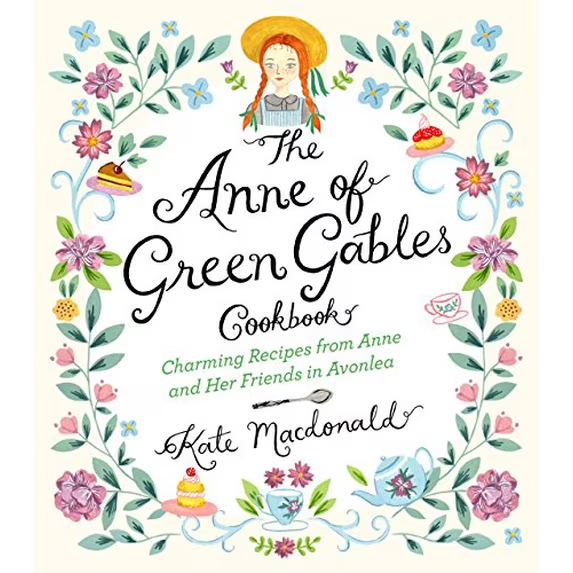
I have a side-quest regarding L. M. Montgomery, the author of Anne of Green Gables. Along that quest, I have ordered a bunch of Montgomery-related books, mostly biographies and journals, but also other random ephemera. The Anne of Green Gables Cookbook by Kate Macdonald arrived recently and I gave it a “read.” While I’m sure this flies off the shelves on Prince Edward Island (where they do a pretty good tourist thing), it was not what I want an Anne of Green Gables cookbook to be.
First, it’s too short. It’s a very thin book. And with eight books in the series to be drawing from, there could have been a whole lot more recipes, especially if you are looping in recipes from the Montgomery family. Some of the obvious ones aren’t even here.
Second, the recipes don’t always tie directly to the quote given. I have found this to be the case in other novel-related cookbooks too, but I don’t get it. Make recipes for the stuff that’s actually referenced in the book, and then either quote it or give a scene synopsis. I am a very proficient home cook and recipe writer, and this isn’t that difficult. And it’s what, as a reader, I want.
Third, it is not clear that this is a children’s book, but it most definitely is. Now, it was written in the 80s, back when they still categorized Anne as children’s literature. Heck, they still do most of the time, but I would say that the majority of Montgomery readers these days are solidly adults. For a couple reasons, like that the language and story pacing don’t appeal to modern children so much, and that us old fans are still returning to these stories again and again. So when I cracked this cookbook and found directions on how to ask for permission to use the stove, I was like, “What?” I would think a modern-day Anne cookbook should be chockful of not only recipes from the books, the Montgomerys, and the Island, but also juicy bits about life on the Island, the tourism there, and Montgomery herself. Perhaps what I want wouldn’t have sold forty years ago.
I appreciate that the cookbook is written by Montgomery’s granddaughter. I appreciate that there are some things that enhance my reading experience, things I had been wondering about for years, like what is a Monkey Face? Macdonald does share some info and some family recipes.
But unless you have a child in your life who is a fan of Anne and enjoys cooking, this is probably not the book to buy. Unless you are on Prince Edward Island and it’s a souvenir. Though I’m betting, in that case, that there are a few other niche options that I’m not finding readily available in North Carolina.
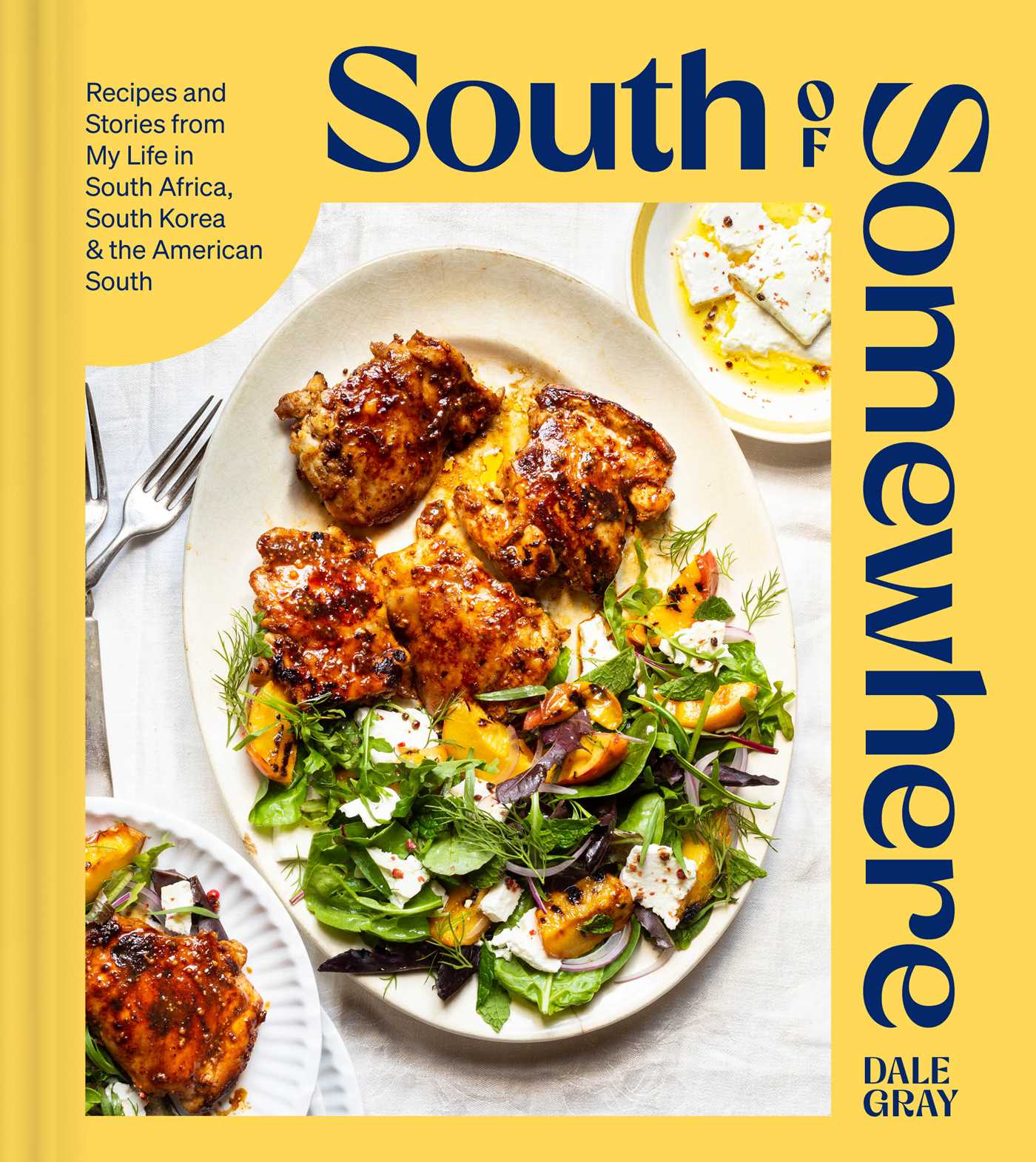
And I’m going to wrap this up with another cookbook. (There were a couple more books in the June, Part 2 entry, but I DNFed one and moved a second to another entry.) At the bookstore where I am a bookseller, I help manage two sections, cookbooks and arts & crafts. I end up browsing so many cookbooks in the shop and also out in the world (which isn’t really new for me, except that more cookbooks actually go through my hands than used to), every once in a while (fairly frequently, actually), I take one home with me. (I buy it, is what I mean.) Then I read it, and then I cook from it.
In June, I took home South of Somewhere by Dale Gray. It wasn’t exactly flying off our shelves, but I liked the look of the food and even the concept: fusion between the “southern” places that Gray has lived. This means South Africa, South Korea, and the American South. The food isn’t just specific to these places, but a true fusion.
We have tried: Miso Pulled Pork Nachos; Tuesday Night Hot-Smoked Salmon Chowder; Crab Cakes Piccata; Skillet Jezebel Chicken with Peach & Herb Salad; Chicken with Chorizo & Olives, by Request; Grilled Peanut Chicken Noodle Bowls; Ground Beef Bulgogi Bowls; Halmoni’s Soft Tofu, Bacon & Kimchi Soup; Late Summer Sausage Supper; and Miso Braised Pork Shoulder. The only two that were just okay were the crab cakes and the kimchi soup. Everything else was a great big thumbs up. The pork shoulder (which we call pork butt here) is going to be my go-to pork butt from now on (which is saying a lot in NC). Nothing we tried was a failure, though (true to form) I did tweak some things.
There are many more recipes to try, though because of the particular fusion, it can seem a little random. There are a lot of beautiful photos and a lot of story-telling, so if you like cookbooks for either of those reasons, this would make a great addition to your cookbook shelf. The illustrations really make you want to eat this stuff, and then the recipes deliver (at least for more adventurous palates, which ours are).
Note: The author of this book is the wife that is in the photos. I know that Dale can be a female name—one of my MCs is a girl named Dale—but since it is usually a male name and the photos throughout featured both Dale and her husband, I was pretty confused on this front. When you start reading, you figure it out.
As always, I’m here for the recipes (though the paper book sold itself to me at the shop), and so far those have really delivered.


