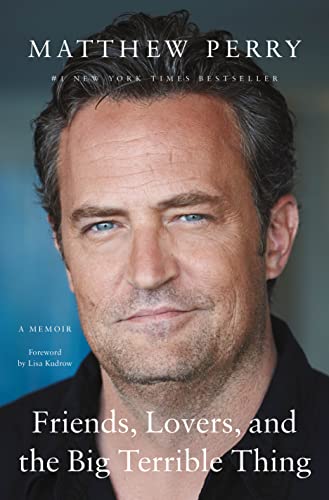
Friends, Lovers, and the Big Terrible Thing by Matthew Perry was pretty popular, for a little time anyhow: another book floating down the stream of famous people memoir/exposes that rose to the top for one reason or another. Since Friends was one of the most popular TV series of all time and Perry’s battles with alcohol and drugs (and his weight) were played out in the tabloids and discussed over many-a-dinner-table during the 90s and early 2000s, it makes sense that people would want to read the book that would tell the truth about it all. I have a thing for memoirs of famous people if they claim to tell the truth and others claim they are decently written. From what I can tell, Perry did tell the truth and it was almost decently written. Decently enough to get the details, marvel at the strangeness and bittersweetness of his life, root for him, and then get out.
Matthew Perry is an actor best known for his role as Chandler on Friends. He has also done some movies like Fools Rush In and The Whole Nine Yards and other shows like Studio 60 on the Sunset Strip, Mr. Sunshine, Go On, and The Odd Couple (not the one from the 70s). Now mostly writing and producing, it was difficult for Perry to maintain a career while he battled with alcoholism, addiction, and his personal life, which is more what this book is about. The book begins at a low point of near-death in the hospital then moves backward to the beginning—a surprising place where his mother is assistant to the prime minister of Canada and his dad is the Old Spice man. Then it bounces around a bit, never quite establishing where in the story each vignette is (at least for someone not an expert in his career, like me), but creating, even so, a picture of what it was like to be Matthew Perry, which ends with the conclusion that he would have given up all the amazing things—and there were some amazing things—for the life of a healthy, un-addicted, “normal” person. Because being Chandler made life anything but normal and his addictions often made his life a living hell.
It’s a little hard to explain how I ended up reading this book. I am a fan of Friends. I also like comedic books, though I tend to be hard on them: I want to really lol. And I do have a curiosity about the lives of the famous, but not in a tabloid-y way—I am curious about what it is really like to be just a person who is living a supremely bizarre life, one that so few live. So I guess that explains why I chose this book over, say, Spare by Prince Harry (which I am avoiding) or Becoming by Michelle Obama (which, actually, I would like to read eventually). This is not my usual genre, but I like to read what the masses are reading, sometimes.
It probably won’t make you fall off your seat when I reveal that the writing in Friends, Lovers is not amazing. At times, it’s pretty bad, actually. (He does write for screen, and I have read that he wrote this book without a ghostwriter. So the literary merit is understandably small.) And it’s not particularly funny, not in the way that Chandler is funny—this is a much more serious tour of life—though I did snicker aloud now and again or even read a funny line to my husband. So a little funny, sure, because Perry had to deliver. More often, I read aloud some interesting fact about Perry’s life, Hollywood, or addiction. Since I like reading fame exposes that have some sort of depth to them, I was engaged in the story (stories) and read almost the entire book on a car trip between North Carolina and Syracuse. The last and probably only other similar thing I have read was Little Girl Lost by a young Drew Barrymore, and I was transfixed, then, too. I wasn’t quite as gob-smacked this time, but there were plenty of moments where I said to someone, “Can you believe this?”
Still, the point of the whole thing is to sketch a portrait of someone who has struggled with addiction and therefore pain and failure. It’s not sugarcoated. Perry should have been dead half a dozen times and we read about some of the gross and gory bits as well as about the lost relationships, dashed hopes, and destroyed intentions. Perry wants us to know that he had no say in having this disease, that he has worked hard to deal with it but often been powerless. He gives a lot of credit to his family and friends and ultimately tells us that there is a God and that he has encountered It. The book feels like more than just an apology or an explanation, though, it feels like he’s reaching out with his story to those who also struggle with addiction and to those who know someone who struggles with addiction. It is, after all, rather normal to have to fight those battles, it’s just not normal to have to do it while being one of the most famous people on the planet and making people globally laugh in unison once a week for years. And while there are some Friends stories and other Hollywood name-names stories, ultimately Friends, Lovers is more concentrated on a man alone with his demons and his sobriety companion, thankful for one more day to help another person find one more day of sobriety, themselves. Though the book is seriously disjointed, if you are curious enough, then it’ll be a fine read for you.
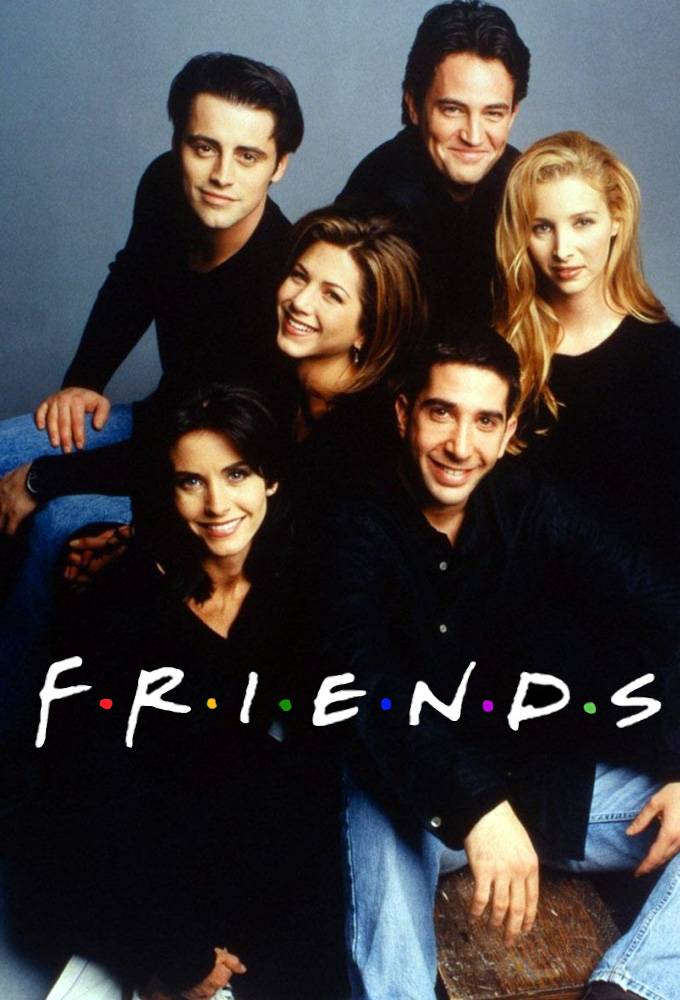
BONUS REVIEW: FRIENDS TV SERIES
I already mentioned above that I like the show, Friends. I was a little young to appreciate it during its original run, and I was also on a different planet from these hip city-dwellers who were sleeping around and religion-less. I mean, the truth is that the show isn’t exactly realistic in several ways (like their lifestyle versus their jobs), but I’m just saying I couldn’t relate. A decade or so later, I found Friends on streaming and devoured the entire thing. I mean, I had encountered episodes here or there, but it turns out the overarching narrative is really quite compelling (though it does go off the rails a few times, trying to stretch out content to meet the desires of the audience instead of just telling the story and bowing out). But we are always wondering (from episode one!) if Ross will get Rachel. Also, it is fricking hilarious. Yeah, still can’t relate to being a young, single, New Yorker with a questionable moral base, but these characters and situations actually earn their laugh tracks, so, much like Seinfeld and New Girl—other shows I have so little in common with but love—I gobbled up the series, twice, and imagine I’ll do it again. Really, with some of the best moments in TV, some of the quintessential scenes, Friends is likely to remain as ridiculously famous as it was from the beginning, well into the future, and if you appreciate good TV as just good TV, this classic is where to find it.


 the starving artist
thank you for your review
I wouldn’t believe anyone who said “I’d give it all up to be a norma, healthy, unaddicted person” if it wasn’t for two things. One, my parents immigrated to Canada and I’d give up this “exciting” life in a second for an unexciting one back in my home country. Secondly, my niece, who has had real sparkle and acting talent even as a little kid, said, “I don’t want to be famous. I just want to be a normal, nice person.” So, I actually believe Matthew. And for those who think that Matthew was a prick for picking on J. Trudeau, Trudeau is a horrible, selfish greedy man and I bet he was like that as a kid, too.