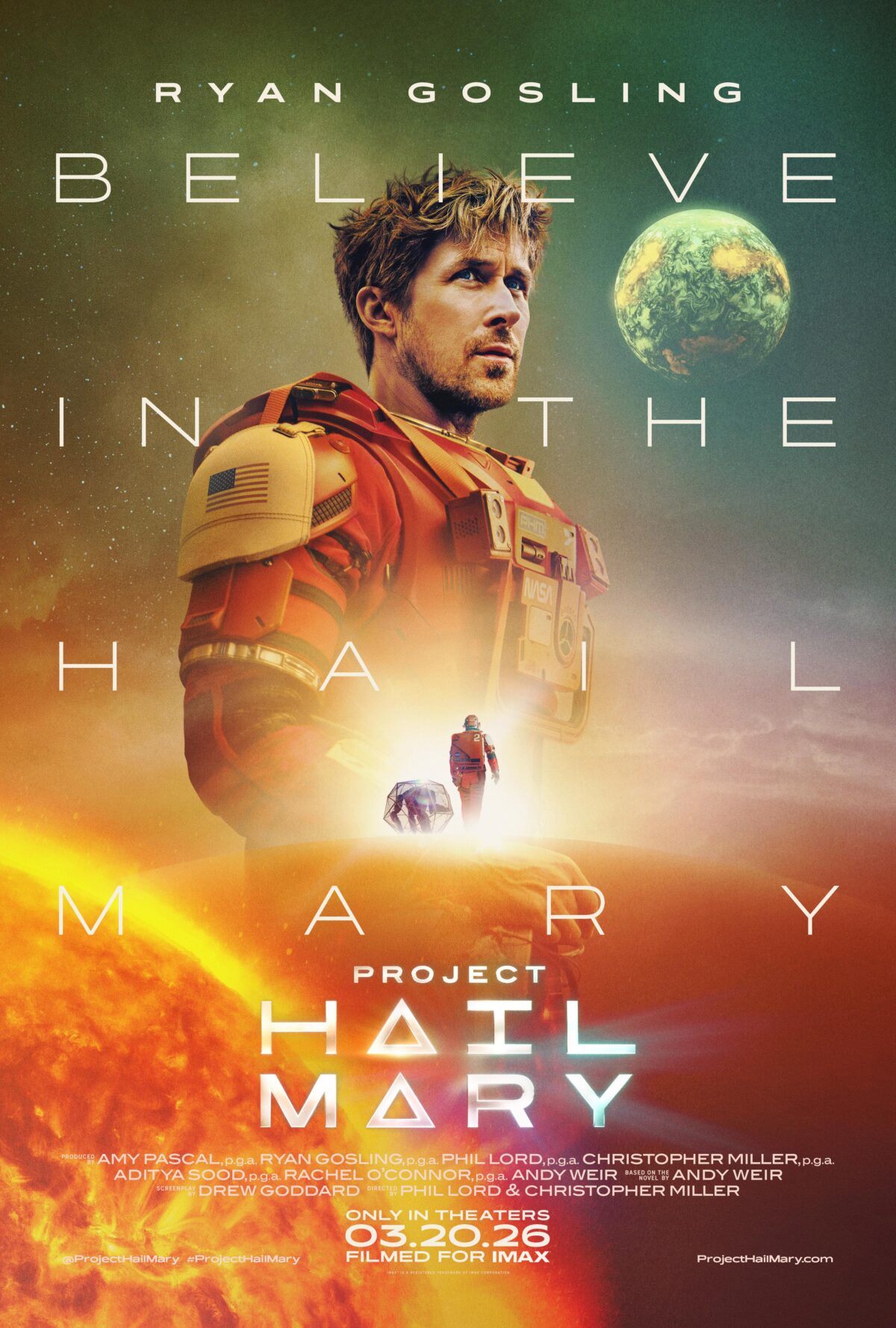
I was excited to see Project Hail Mary for two reasons. 1) It’s a book to movie, and that almost always piques my interest, and 2) it was getting great reviews, at least word-of-mouth. But then I ended up at the theater to see it before I could read the book, even though I try to consume media in the order of book-then-movie. Oh well. I would see the movie and then decide whether I wanted to read the book.
I am not the world’s biggest sci-fi fan. I am also not the world’s smallest sci-fi fan. I was still perhaps surprised when I really enjoyed this movie. It was funny. It was engrossing. I was always interested in what came next. And somehow Ryan Gosling pulled off the whole one-guy-on-a-stage thing. (There are flashback scenes, but the majority of the movie is one man alone.) I told people it was a good movie; they should see it. I decided that I didn’t need to read the book. I wouldn’t protest if I ended up reading it for some reason in the future, but I didn’t need to run out and buy it.
And then one of my book clubs chose it as their annual screening of a book-related movie. Durn. I’d already seen it. Since my July was chock(too)full of TBR reads and ARCs, I decided it was not the time for me to read it before the second screening. I actually thought I might even zone out during the viewing and read my e-reader while it was playing because, as much as I had enjoyed it, it wasn’t the kind of movie that I needed to see again, at least so soon afterward. I mean, I knew what was going to happen, so the element of suspense (an important part of this movie) was gone. And yet, I didn’t pull my e-reader from my bag. I sat there for another two hours and 36 minutes, pretty engrossed.
This time I noticed things like the use of silence and the disorienting tilt of the camera lens. Which means that this movie holds up. Sure, it’s a popular blockbuster, but I could see a film professor waxing poetic on the aforementioned silence and camera angles. There is depth to it (but not too much)—some good use of art to translate this story to the screen. Now, I cannot speak to how good a job it did with actually adapting the story because—we already know—I didn’t read it. For that, you’ll have to look elsewhere. I’m happy with my two experiences with the movie and with no experience with the book. For now.
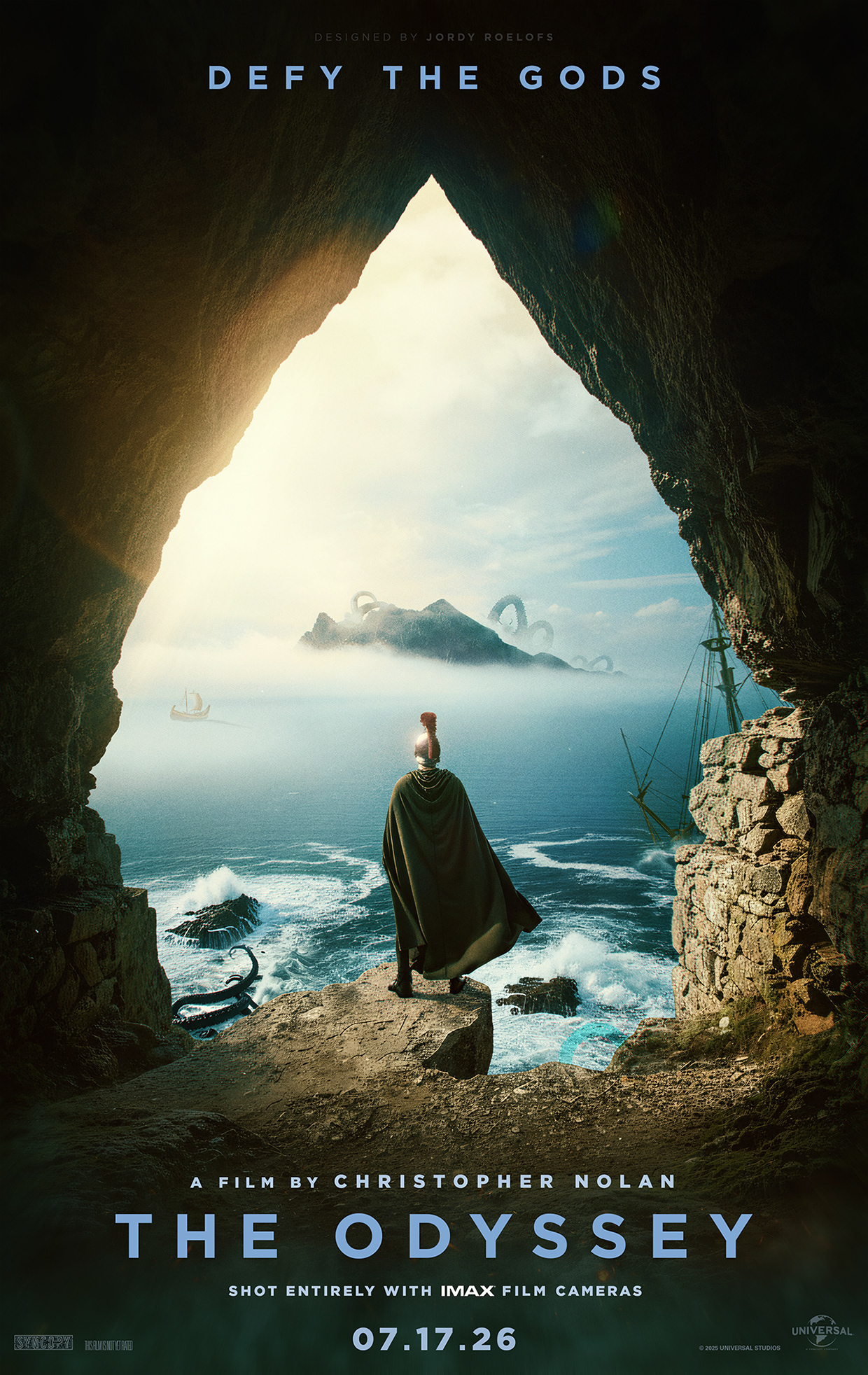
We thought we had already had our summer blockbuster moving books off our shelves at the bookstore (I guess, though, Project Hail Mary was a spring blockbuster and it accounted for shifting many readers to the sci-fi genre (though not on its own)), but strangely enough, Emily Wilson’s translation of The Odyssey was yet to be purchased and back-ordered like crazy. (Not, I’m sure, as much as the former, because only so many people will tackle an ancient, epic poem); we had yet to see the real summer blockbuster emerge: Christopher Nolan’s The Odyssey.
I did purchase this book (though the Robert Fagles translation read by Ian McKellan) in preparation for the movie, but I didn’t even begin listening to it. I’ll get around to it someday, but I have been familiar with The Odyssey since my teen years, and encountered it and The Iliad while teaching middle schoolers and high schoolers, and my son. I have not read the complete original. I have read various more-approachable versions. I have read bits and pieces amounting to I-have-no-idea how much. So I felt like, I got this.
And I did. I am actually curious to hear from viewers who are seeing it without a familiarity with Homer or even lots of ancient Greek literature. I suppose I sort of have, as the masses have spoken and they are generally loving this movie. It’s only the real bookish people who are having tetchy conversations about how well Odysseus was represented or why Polyphemus didn’t have a talking part. (We’ll just ignore the conversation about casting people of various skin color and identities as whatever. We’ve already had this conversation.) I was a tad bit bored, to be honest, but it was because I knew the material too well. Sure, Nolan changed some things, but overall there was so much mystery missing when every new island’s outcome was obvious to me in about two seconds. Then again, I was squirming and yelping because it was on the big screen, almost realer than life, so it was a new way to experience the story. Admittedly, though, some of my squirming was due to Nolan’s use of noise and silence. I say noise, not music, because what I recall from the soundtrack were repetitive clunks, sustained notes, and veeeeery long squeals, screeches, and screams. It’s an artistic choice that is likely characteristic of him, but I was quite overstimulated by it all (had to make use of my Loops), and longed for a nice, normal soundtrack. This is a matter of preference.
I would recommend the movie, and I did to my step-dad. I would also not recommend it for others, like my mom, who will find it tedious and much too violent. Like I said, squirmy. The Odyssey is gross and violent, so the movie is too. And I don’t have a problem with its modern interpretation, which tries to make sense (and contextualize) a very old piece of art for a very wide audience by editing its messaging. To me, it seemed to say that we all just need to get along (by humanizing everyone) and also to calm the heck down if we want to get where we want to go. Perhaps let go and let God. I am uncomfortable with one political side or the other claiming the message for themselves (like they just need to humanize us while we need to come home and whoop some butt), which to me feels like the opposite of what Nolan’s using Odysseus for. But what do I know?
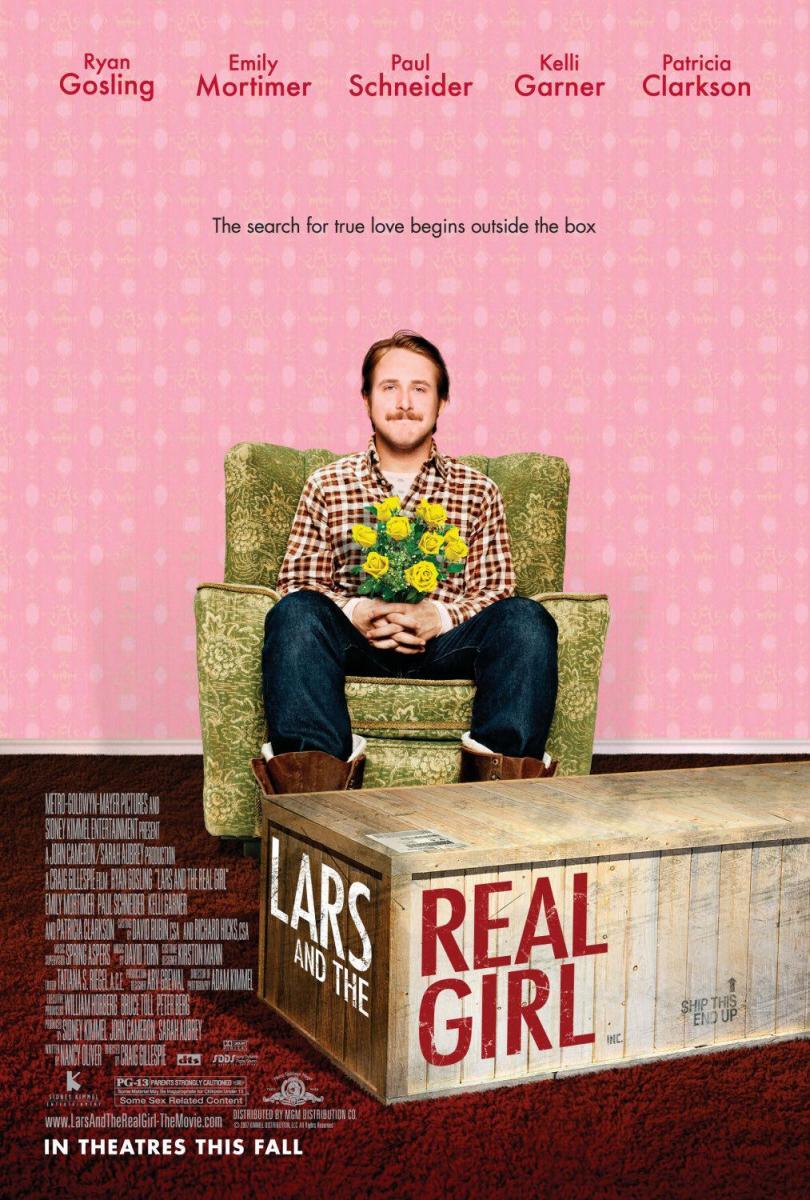
Unrelated to books, I happened to see Lars and the Real Girl a few weeks ago. More Ryan Gosling! The marketing for this movie from 2007 was so effective that I still remembered it when the opportunity to see it came up. Turns out, it was also effective at being misleading. Sure, Lars purchases a sex doll, but this movie is so not about that. It’s about companionship and disabilities and trauma and community. There is zero sex, actually. And it is so tender. So well-acted. So thoughtful. It was one of the best movies I’ve seen in quite some time, and I’m so happy I was given a second chance to get past the thinking-it-was-another-Superbad and watch it. And the religious people in the movie were just like normal people, sometimes really kind and helpful, not evil psychopaths. And to discover another indie-feeling movie from the twenty-naughts (with a soundtrack to match the vibes of the times)? Priceless.
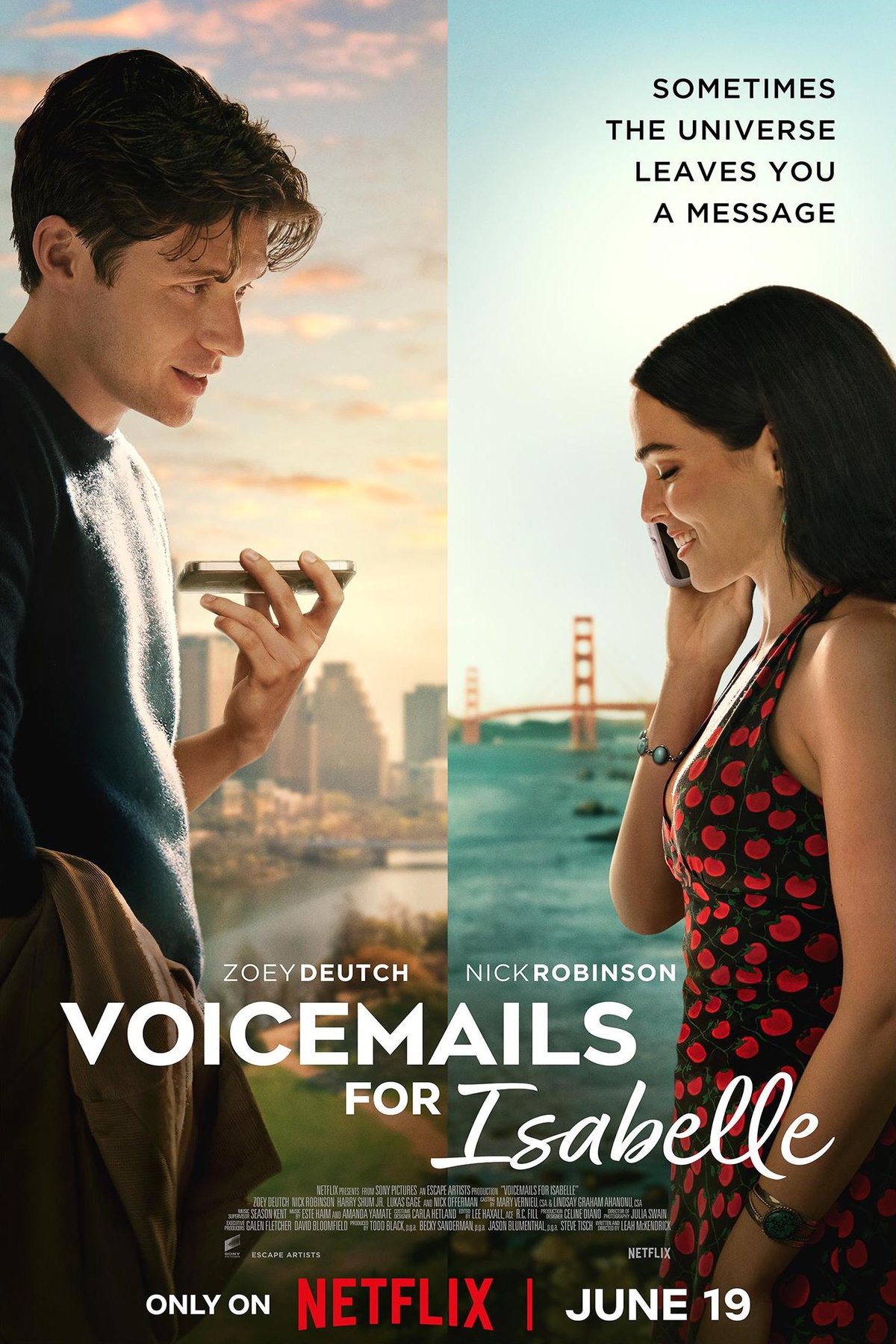
And then I watched Voicemails for Isabelle with my husband. Huh. It actually feels like it would have been a book first, but it wasn’t. We liked it. Didn’t love it. It was a pleasant one-time watch. After spending a couple hours with Nick Offerman a few months ago, however, I could not buy his angry chef bit. Maybe I wasn’t meant to. The -com part of rom-com. Though this one had less -com anyhow, since the setup is that Izzy has died and some dude starts getting the voicemails her sister is leaving for her, leading to romance and highjinks. Yeah, the writers never did manage to untangle the moral and relational mess that that would be in real life or redeem the grossness of the male lead’s character (which is greatly exacerbated by him being a dishonest douchebag at work which is completely unnecessary to the plot and sort of blew our minds as a choice), but somehow the characters are cute as a button, so overall you go along with it, just for long enough to watch the movie. Don’t think too hard about it, afterward.


