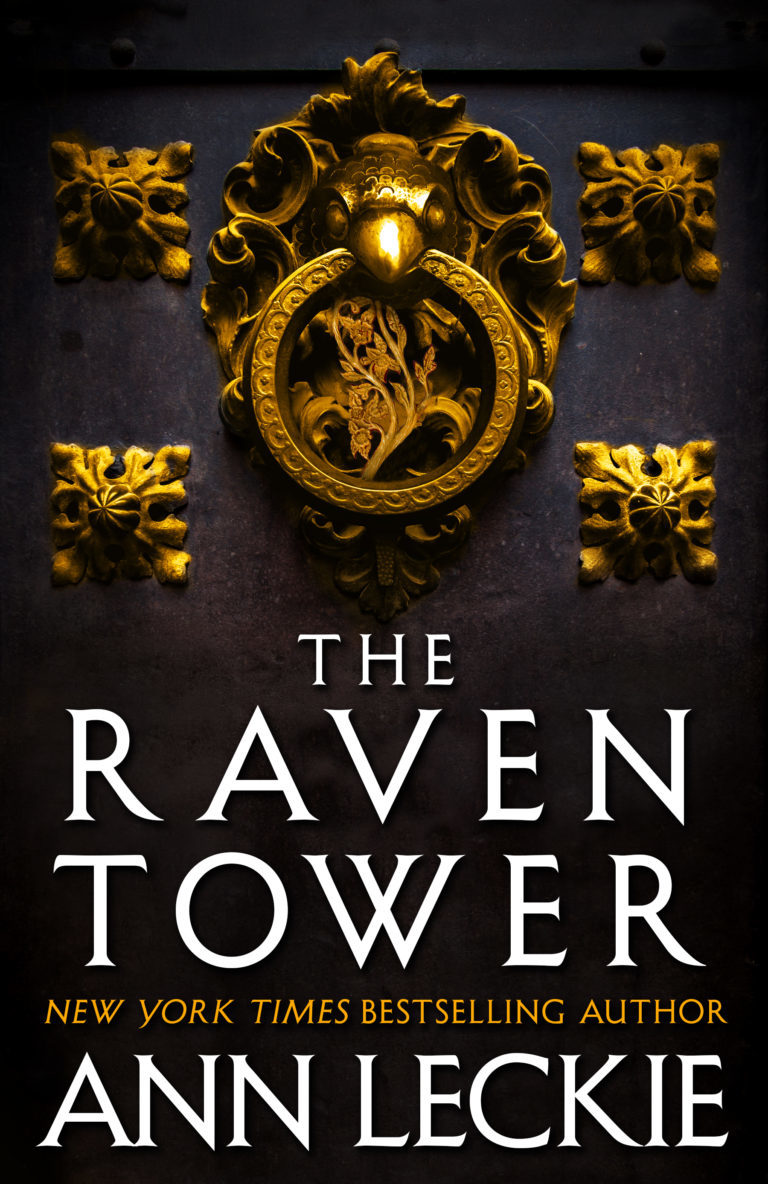
Number two in my reading-Hamlet-adaptations is Ann Leckie’s The Raven Tower, a stand-alone and her first fantasy (as opposed to sci-fi) book (from 2019). She’s a Hugo-Nebula-Arthur C. Clarke-BSFA award winner. The Raven Tower is not one I hear mentioned frequently (or ever), and as I said, I started reading it because it was listed in Hamlet (William Shakespeare) adaptations. Your surprise at this is something we’ll have to talk about in a minute. This book is a mood. And it also has an alternative structure (mostly through the use of second-person POV, but also flashbacks into timelessness and the forced “truth-telling” of the gods). I love alternative structure done well, which I thought this one was. It isn’t a favorite of mine, but it’s solid.
Synopsis: Eolo is the war-front advisor to the prince of Iraden, Mawat. But when Mawat must return to Vastai and the Raven Tower to deal with his father’s disappearance, Eolo sticks to his side. The thing is, Iraden is in a land protected by truth-telling gods, and if the Raven doesn’t get his blood sacrifice from the missing king, he will be free to break his commitment to Iraden. Meanwhile, other gods and neighboring peoples have their ears to the ground, waiting for a moment of weakness to move in.
As I said, this is an adaptation of Hamlet. I can see how a reader would miss this if they hadn’t been told, but once you know, it tracks. In fact, when I went to the book club discussion where a local professor led discussion, I found Leckie’s reading of Hamlet in Raven Tower to be the most consistent with his, miles away from every single movie adaptation I have watched (and the two books I had read already). All the modern readers like to focus on Hamlet’s madness and psychology, whereas this professor maintained the play was much more about politics and royalty and religion, all of which is much more of a focus in Raven Tower.
I am not a fan of the second-person POV in general. I find that even first-person has to justify itself to me, and I would much prefer that over half the first-person books I read were in third. I was kinda weirded out by all the second- and first- when I began this book, but not even that much. I was sucked in and interested in where we were going, and I pretty quickly got used to it. In the end, it makes sense, too. Both POVs justify themselves, though I have seen reviews from people who just couldn’t get over it (and others who loved it). The second-person is somewhat like The Empusium, the reader waiting to find out who or what this voice is that is talking directly to Eolo. (In Raven Tower, the second person is directed at “you,” but the “you” is the “I” in the first-person sections, Eolo. The “you” is not the reader.)
Even though I was drawn into the book (I would say lightly), I wasn’t sure where I was at first. Like when. And what sort of fantastical and what sort of like-real-life space. I couldn’t immediately dress the characters or picture the buildings (though Mawat is described beautifully). I do like a world to immediately build up around me. But once it does this, Raven Tower is atmospheric, a mood. It’s the emo book of the book world. Dark. Dank. Heavy. Grinding. But not in a bad way. Leckie, in this book at least, writes in a way that sucks you into the setting, whether you can really picture it or not. It’s a distinct color palette of almost-neon grass under a slate sky. Dirt. Earth. And gray-blue. Stone. Wood. Ribbons and feathers. Oily black. Candlelight and the stink of bodies.
I have a complaint: the font is too darn big. I don’t know if we were trying to make the book look longer, like a certain type of fantasy, but it made me feel like I was a middle schooler or something. On the plus side, you would not need to order a large-print version. On the negative side, the layout looks and feels all wrong and wastes like fifty percent of the paper. Also, the cover is okay, but it didn’t tell me much or make me want to read it and probably won’t draw you in, either.
For once there’s a map and a character glossary, but funnily enough I didn’t need either, definitely not the character list. You know how many times I have cursed an author for not having one? But this time we are introduced to characters one at a time and, quite frankly, there aren’t even that many of them. Also, if you know it’s Hamlet, it’s pretty easy to slot characters into their inspirational roles, some as soon as we see them. Actually, right now, I’m going to make a list of who is whom:
(Note: the gods don’t really have counterparts, unless you say one of them functions as the ghost. To say which would possibly spoil some things.)
- Eolo = Horatio
- Mawat = Hamlet
- Mawat’s father = the king
- Lord Hibal = Claudius
- Lord Radihaw = Polonius
- Zezume = Gertrude
- Lord Dera of Oenda = Is he supposed to be Laertes?
- Tikaz = Ophelia
- Oskel and Okim = Rosencrantz and Guildenstern
- Dupesu = kind of Fortinbras
I enjoyed this adaptation of Hamlet. I also enjoyed reading it for itself. It was different. It kept me guessing about plenty of things. You can see the characters in their Hamlet counterparts, but there’s nothing exact about it. (For example, Zezume as Gertrude is not the queen, but now the head of a church, Mother of the Silent.) It also doesn’t end the same, but the spirit of the ending is the same. I mean, it ends similarly, but the fates of some characters are different.
Just a mention that the MC is a trans character in a poly-like society. It is not a main part of the plot (which some readers really appreciated). He just is. And it just is. No big deal.
The other Hamlet adaptations I am reading my way through:

- Rosencrantz and Guildenstern Are Dead, Tom Stoppard
- To Be or Not to Be, Ryan North
- The Raven Tower, Ann Leckie
- The King of Infinite Space, Lyndsay Faye
- The Dead Fathers Club, Matt Haig
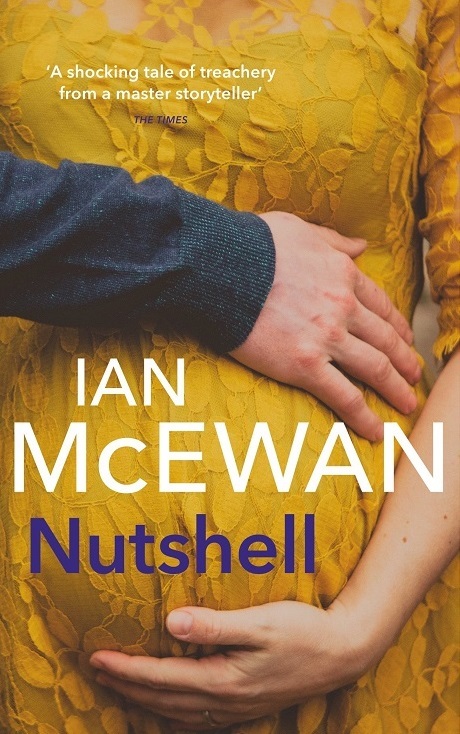
- Nutshell, Ian McEwan
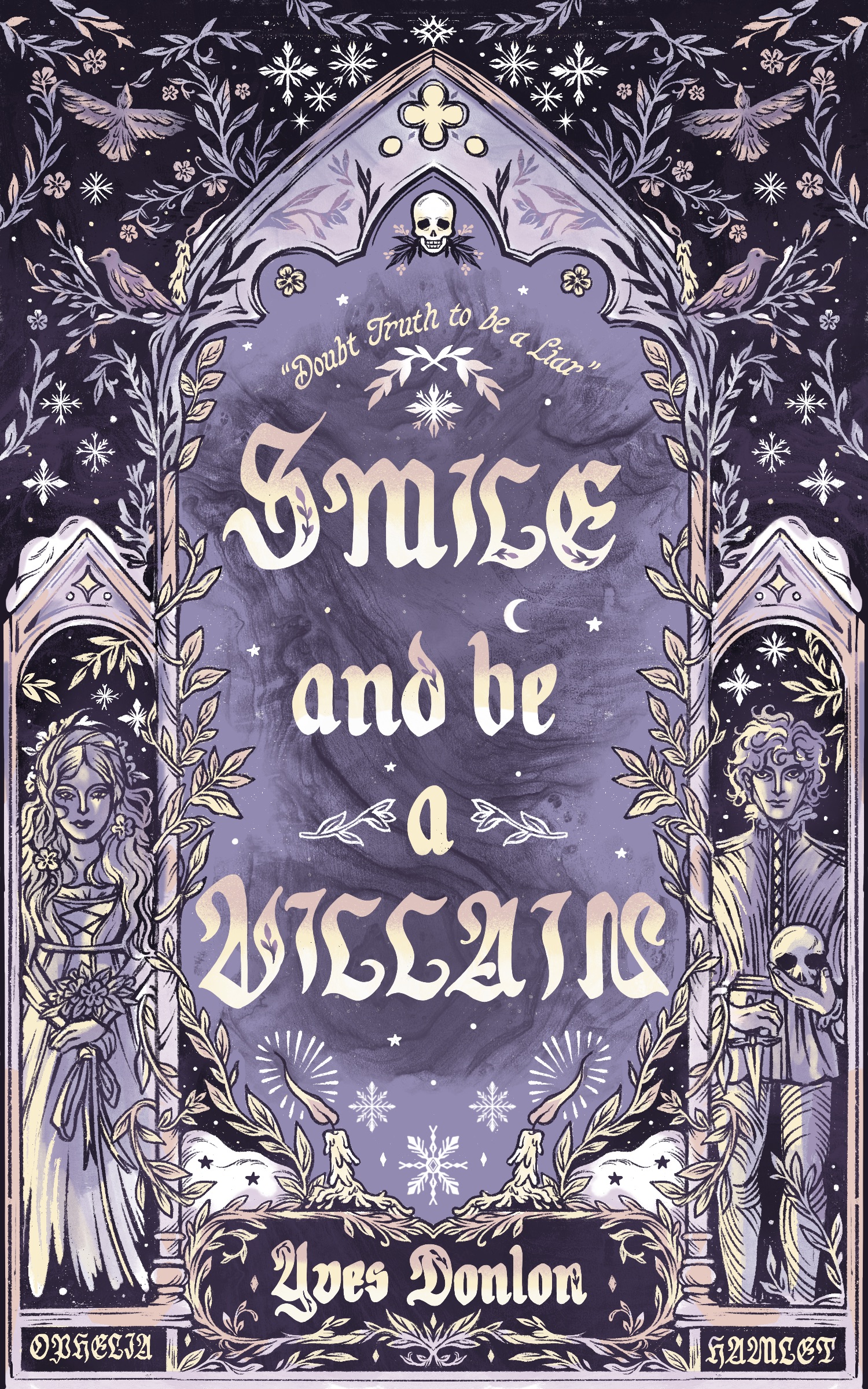
- Smile and Be a Villain, Yves Donlon
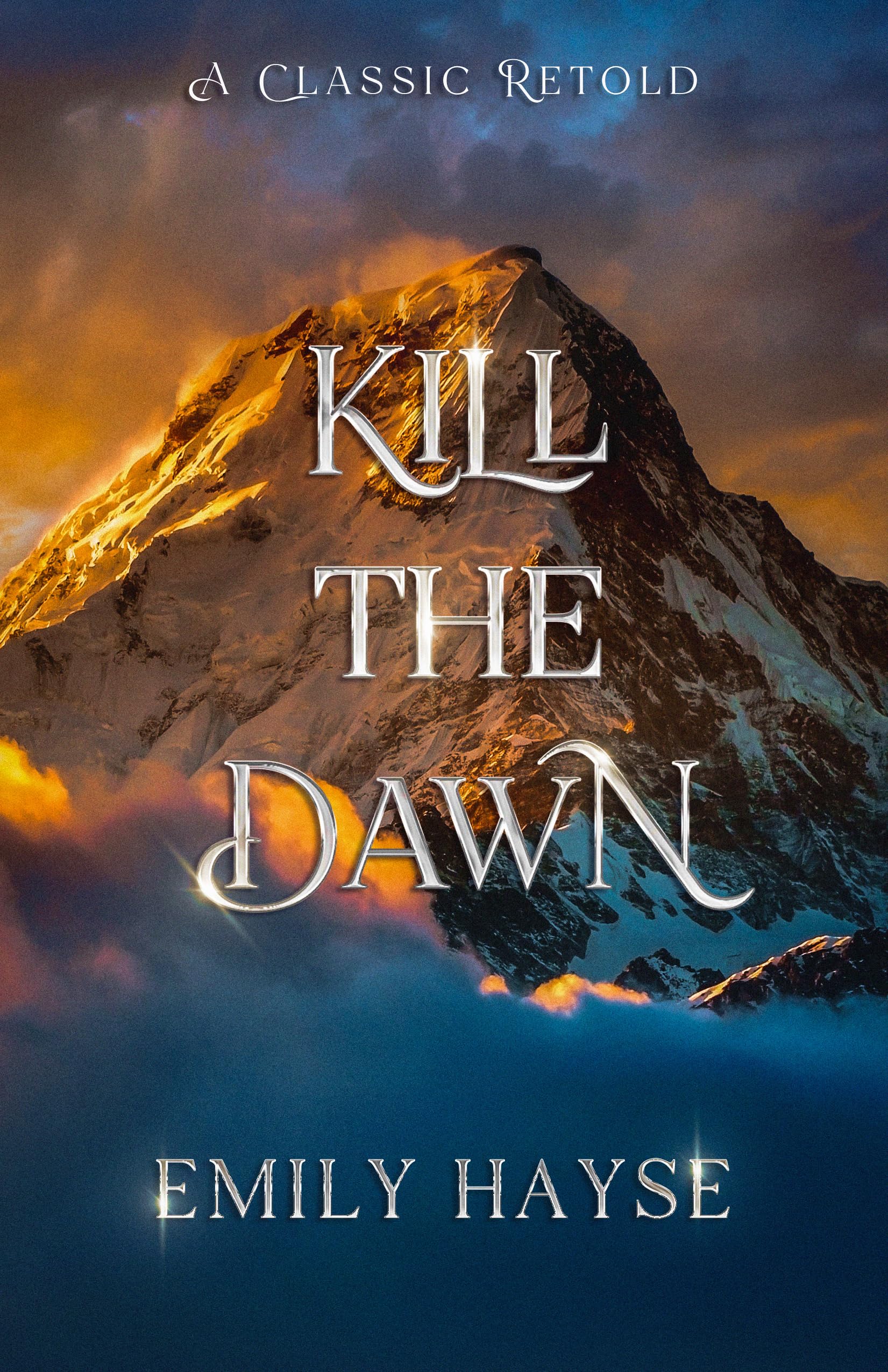
- Kill the Dawn, Emily Hayse
I liked The Raven Tower. It is not a fave but a recommend, especially if you are looking for Hamlet adaptations. But even if you are just a reader of fantasy and want something a little different and atmospheric. It’s an easy read, too, though the print edition should be about half its size with more suitable margins, font size, and spacing.
Ann Leckie is a respected speculative fiction author. She is most known for her Imperial Radch trilogy, Ancillary Justice, Ancillary Sword, and Ancillary Mercy. (I am not a fan of the titles, but I have looked into them and would really like to read them.
“…the apparent is not always the truth” (p177).
“You know how wars are, I’m sure. There is so much waiting, while one prepares, while things happen beyond one’s control or knowledge, and then, finally, an action to take, or an assault to endure, and there is so much to do all at once, desperately” (p245).
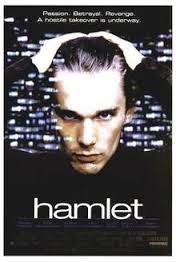
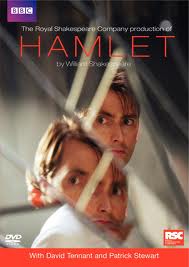
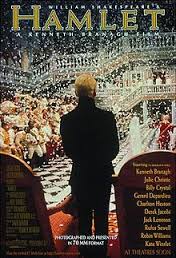
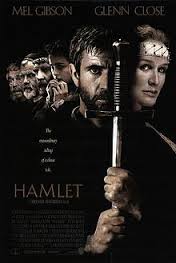
If you are looking for other movie adaptations of Hamlet, see my post HERE.
There is no movie of The Raven Tower.


 the starving artist